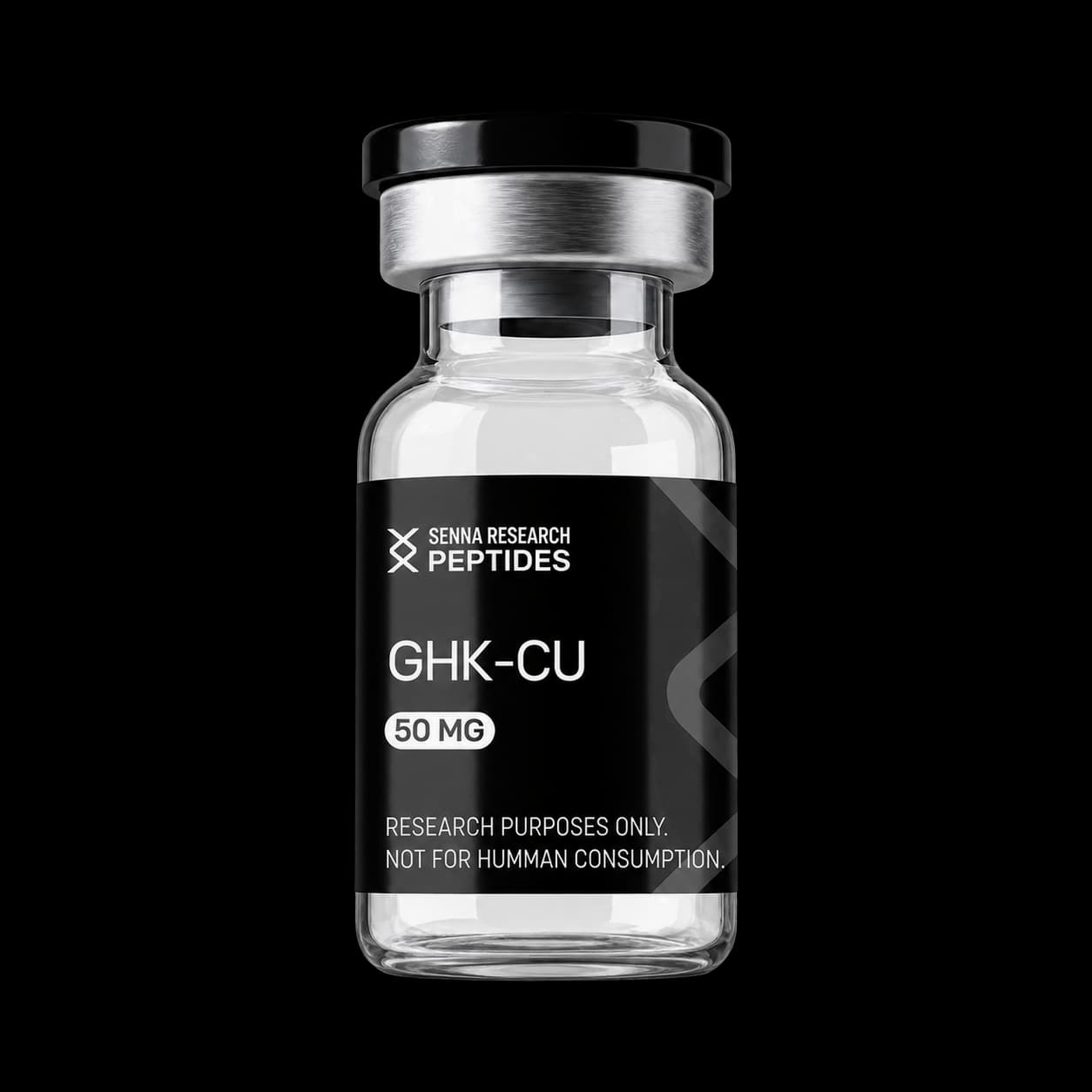
GHK-Cu vs retinol: two routes to collagen synthesis research
Retinoids and the copper tripeptide GHK-Cu are both studied for collagen synthesis, but they reach it through very different upstream mechanisms.
Read article →For research use only — not for human consumption
Journal · Page 2
Peptide research notes from Senna Research: mechanisms, published studies, analytical testing and handling, for laboratory research use only.
Retinoids and the copper tripeptide GHK-Cu are both studied for collagen synthesis, but they reach it through very different upstream mechanisms.
Read article →GHK-Cu is one of the few peptides in its niche with human trial data. Notes on that evidence and on the copper, zinc and vitamin C biochemistry around collagen.
Read article →A protocol is only as reliable as the material and handling behind it. Label claims, aseptic technique and product-specific storage each need attention.
Read article →Weight lost in GLP-1 trials is not all fat. DXA data, the STEP 1 trial and the BELIEVE combination study show lean mass is a measurable part of the picture.
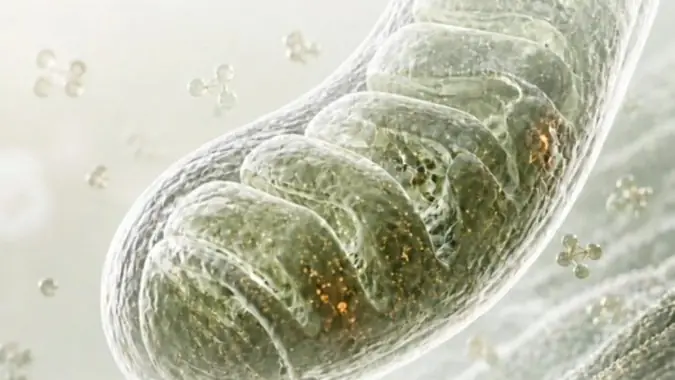
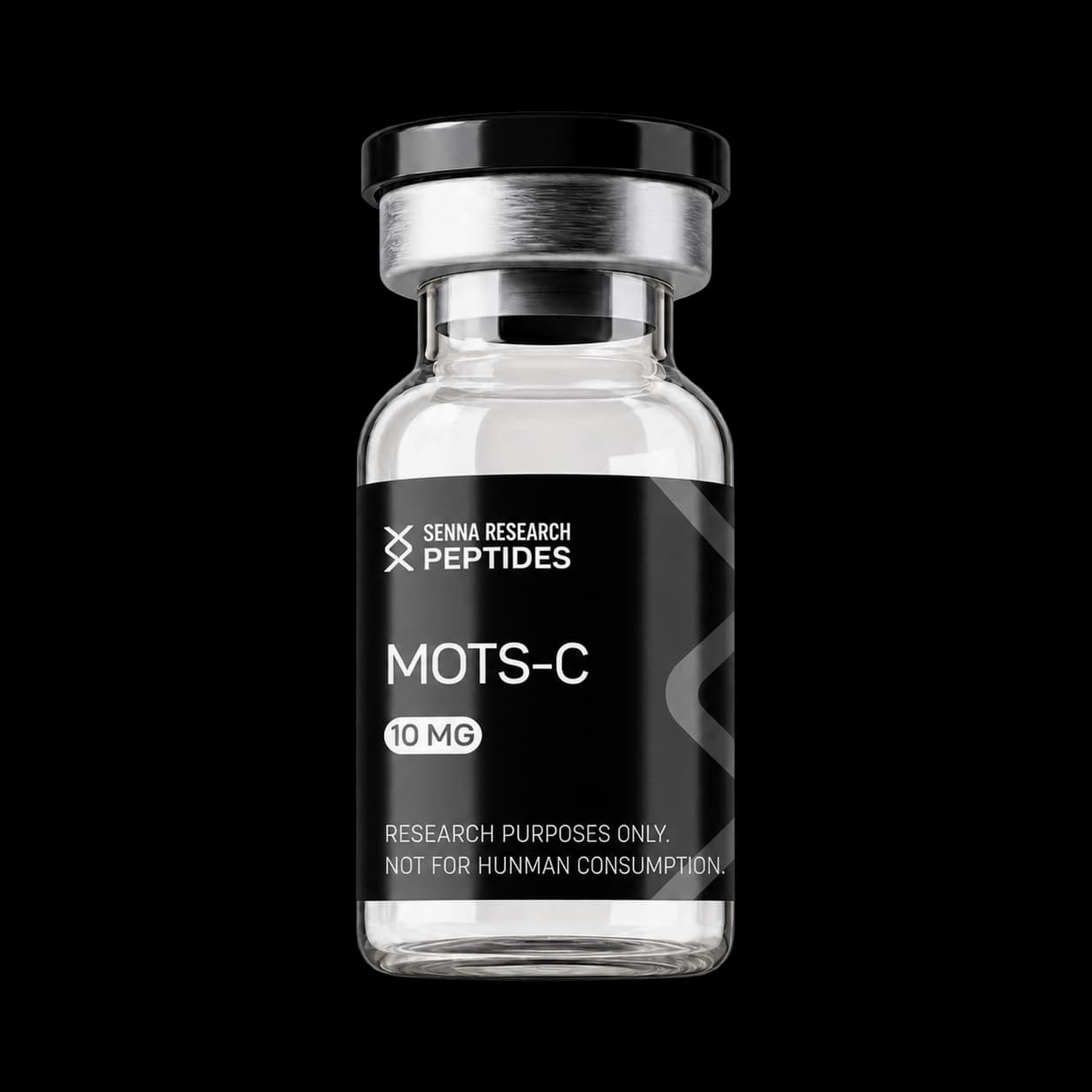
Read article →MOTS-c is encoded by mitochondrial DNA, falls in circulation with age, and rises after aerobic exercise. Most functional evidence still comes from aged mice.
Read article →Semax is studied less as a focus peptide than as a probe of neuroplasticity, cognition signaling and neuronal resilience in experimental models.
Read article →A federal case over forged lab certificates shows how much weight a certificate of analysis carries. Three checks separate a real lab report from a marketing PDF.
Read article →The FDA is reviewing whether BPC-157, TB-500 and other peptides leave the compounding-restricted category. It would open one channel and leave the rest unchanged.
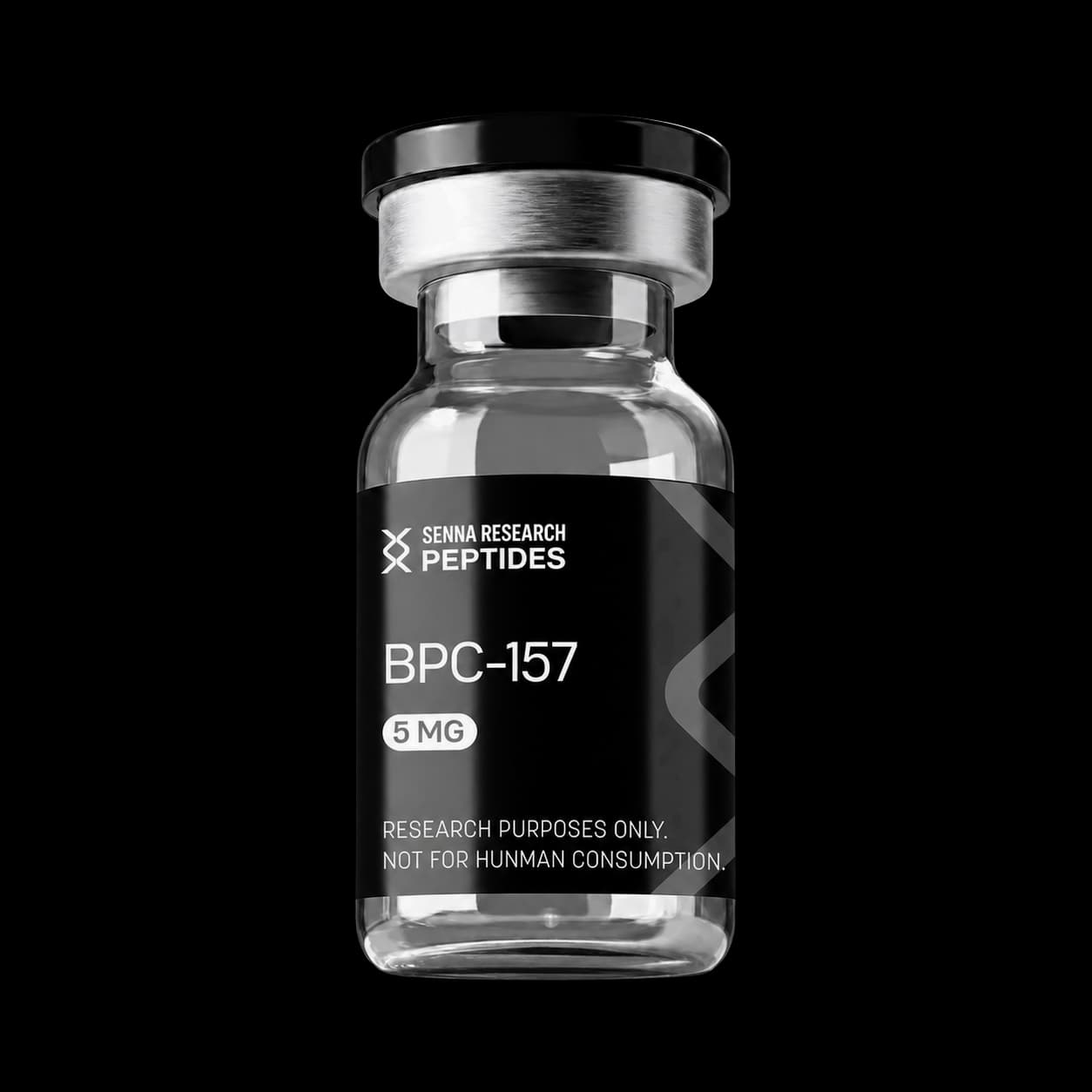
Read article →Most peptides degrade quickly in stomach acid. BPC-157, a fragment of a protective gastric protein, does not, and that stability is where its research story starts.
Read article →MOTS-c is encoded in mitochondrial DNA, not nuclear DNA. Preclinical work links it to AMPK-like glucose signaling and to metabolic aging.
Read article →The number of genes GHK-Cu modulates is widely quoted. The more informative result is which way those genes move, and how coherently they cluster.
Read article →Thymosin beta-4 is a 43-amino-acid protein found in nearly every cell. TB-500 corresponds to its actin-binding fragment, and most of the evidence is still preclinical.
Read article →Mandatory research disclaimer
All materials on this site are sold as laboratory reagents for research use only. They are not drugs, foods, cosmetics, dietary supplements, or medical devices, and are not for human or veterinary use of any kind.
Senna Research makes no claims of safety or efficacy and provides no usage, dosing, or preparation guidance; we publish analytical data only.
These materials have not been evaluated or approved by the U.S. Food and Drug Administration for any use.