
FDA peptide reclassification: what it would and would not change
The FDA is reviewing whether BPC-157, TB-500 and other peptides leave the compounding-restricted category. It would open one channel and leave the rest unchanged.
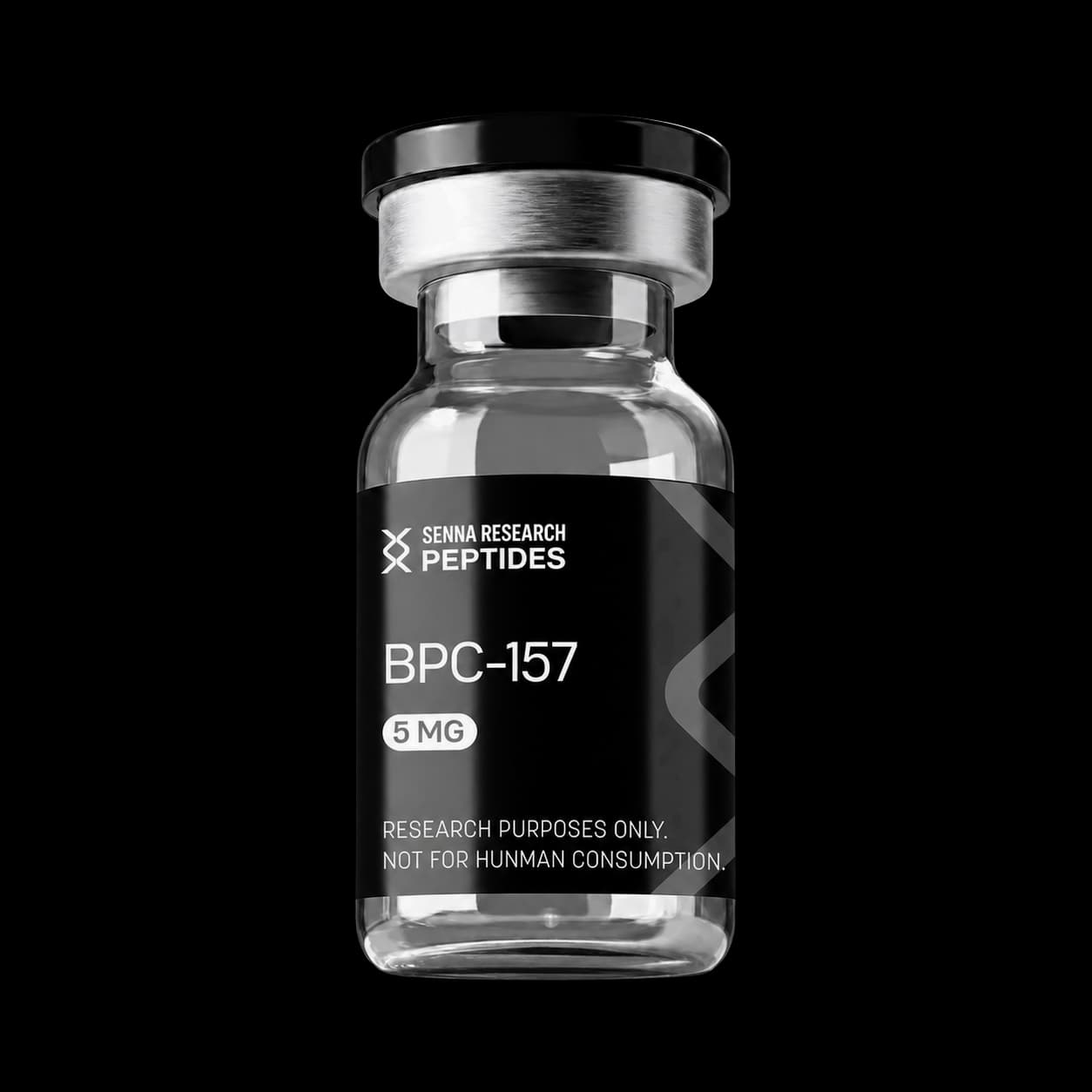
As of September 2026, the FDA is reviewing whether to move BPC-157, TB-500 and several other peptides out of the compounding-restricted category. The outcome matters for one part of the peptide supply landscape and leaves another largely untouched.
What reclassification would change
- Compounding pharmacies could legally prepare these peptides under 503A and 503B oversight.
- A regulated supply chain would exist alongside the current research-chemical market for the first time.
What it would not change
- Research-use-only vendors selling directly to consumers remain a separate, still-unregulated channel. Reclassification does not touch that market.
- None of these peptides would gain FDA drug approval. Reclassification changes who is legally permitted to compound them, not whether they have been shown to be safe and effective.
In effect, a regulatory door opens on one side of the market while the other side, where most current research-chemical activity happens, stays where it was.
The research questions stay the same
Whichever way the review lands, the underlying research questions have not moved: safety data, exposure and response, and long-term effects. Reclassification is a decision about who may prepare a compound, not new evidence about what it does.