
In stock
← All categories
Tissue & Repair Research Peptides
Materials grouped in this category appear most often in benchtop models of cell migration, scratch-assay closure, angiogenesis, and extracellular-matrix remodeling. Investigators working in these systems typically run short time-course experiments in which the measured endpoint is a morphological or biochemical change in cultured cells rather than any organism-level observation. Because those endpoints are sensitive to counter-ion content, residual solvent, and peptide aggregation state, the analytical record attached to a lot carries as much experimental weight as the sequence itself.
For that reason each lot in this category is released with an identity and purity report keyed to the number printed on the vial label. Compare the analytical method rather than the headline figure: an area-percent chromatographic result recorded at a single wavelength is not equivalent to a purity value supported by mass-spectrometric identity confirmation on the same lot. All items listed here are supplied as non-sterile laboratory reagents for in vitro and analytical work, and are not characterized, labelled, or intended for any other purpose.
Materials in this category
In stock
In stock
In stock
In stock
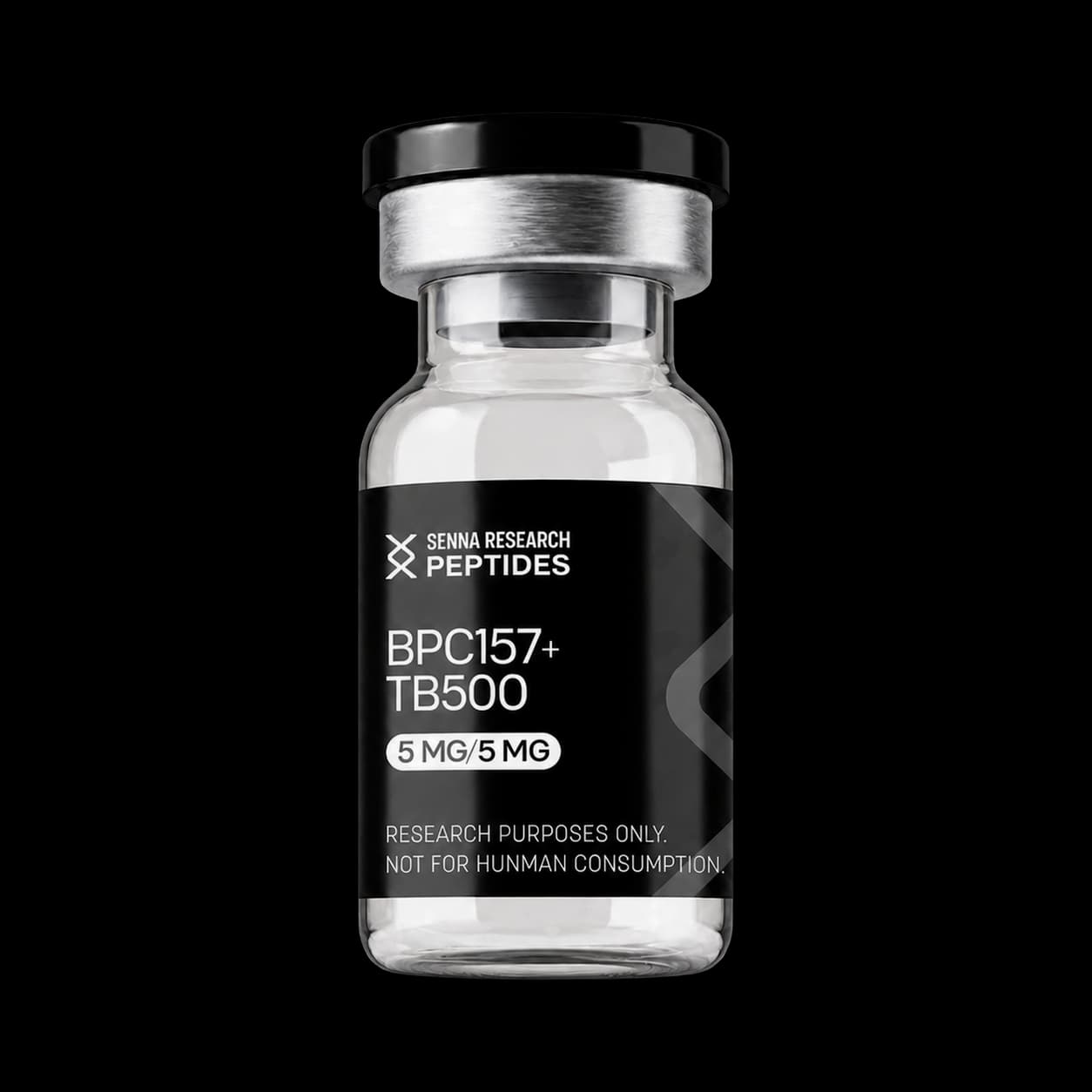
In stock
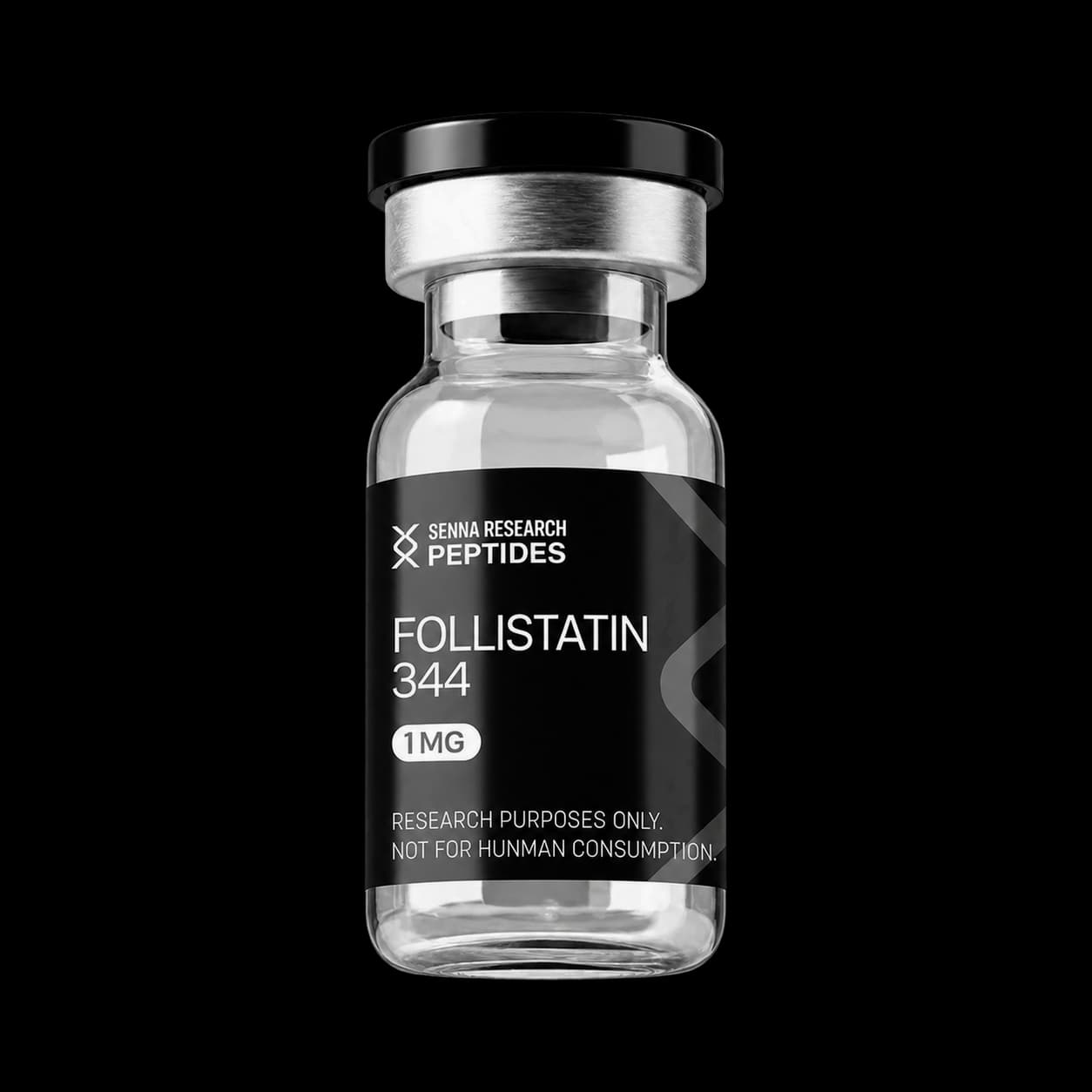
In stock
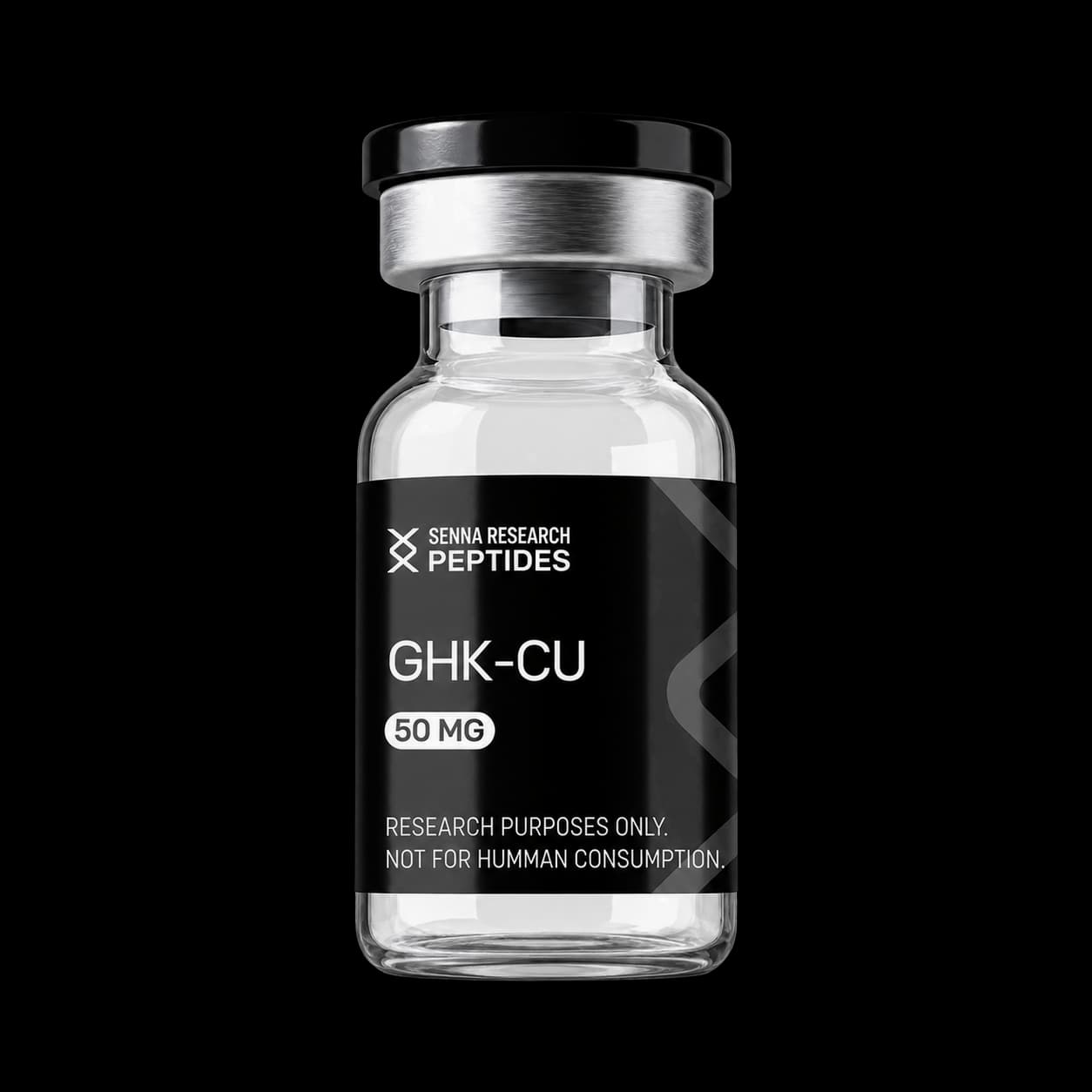
In stock
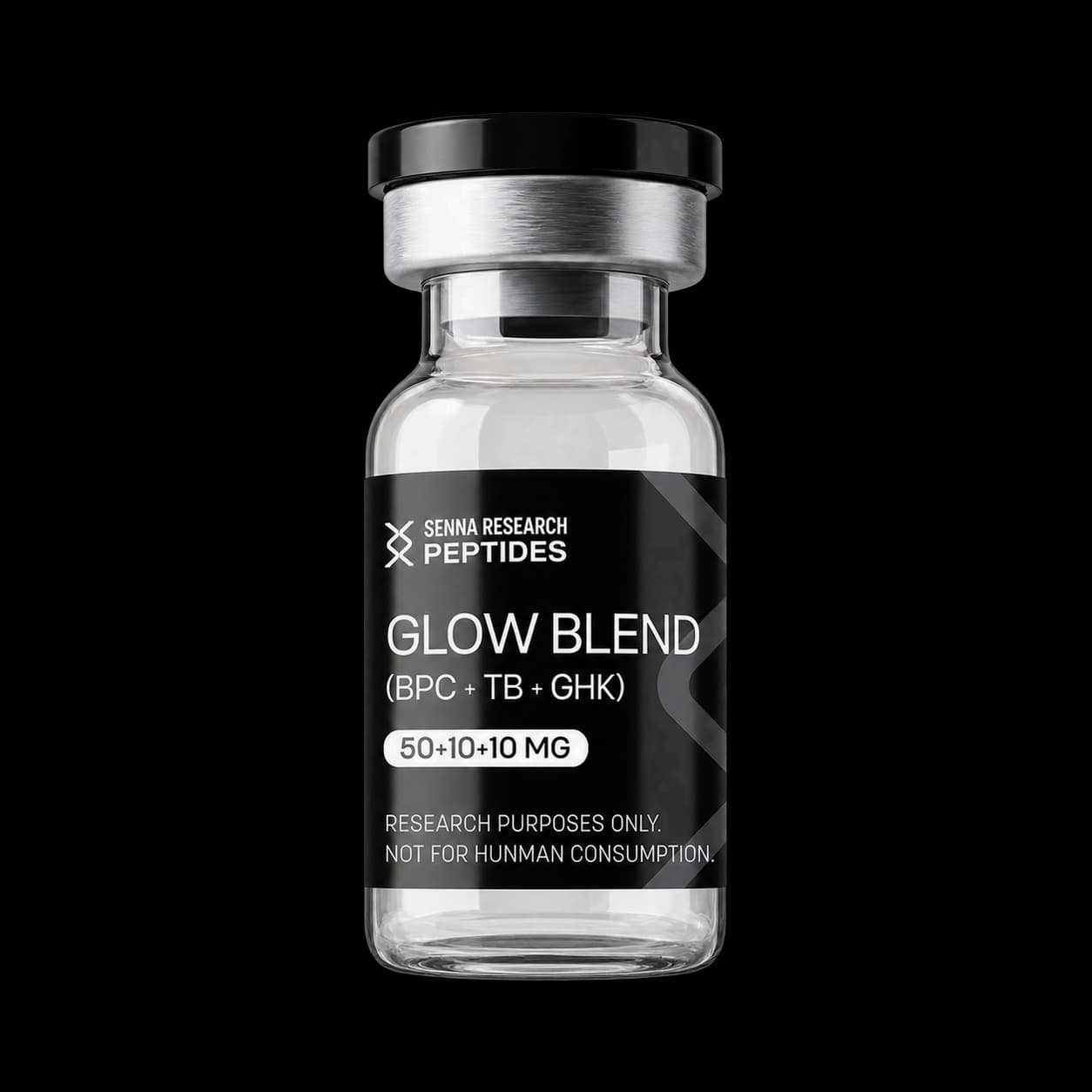
In stock
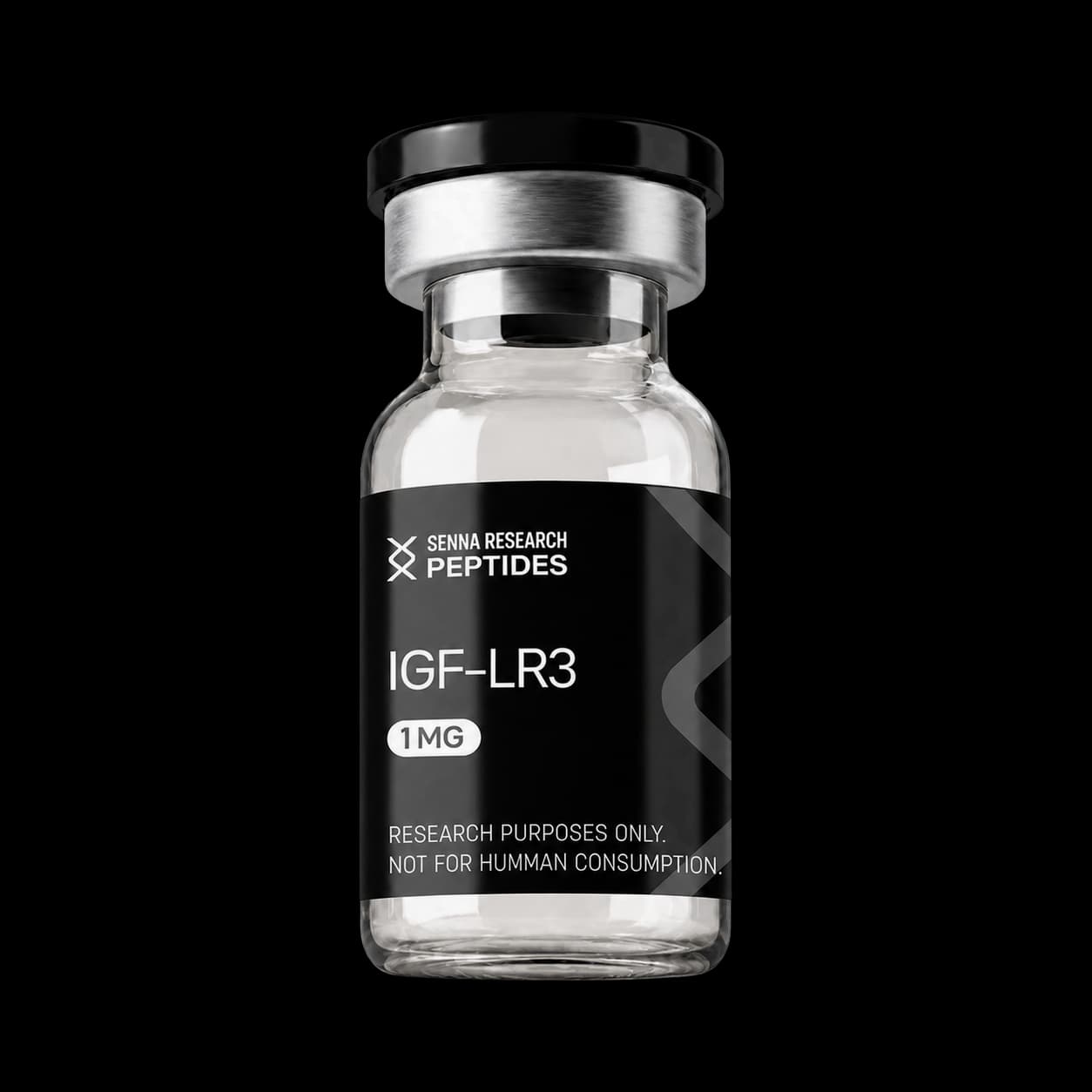
In stock
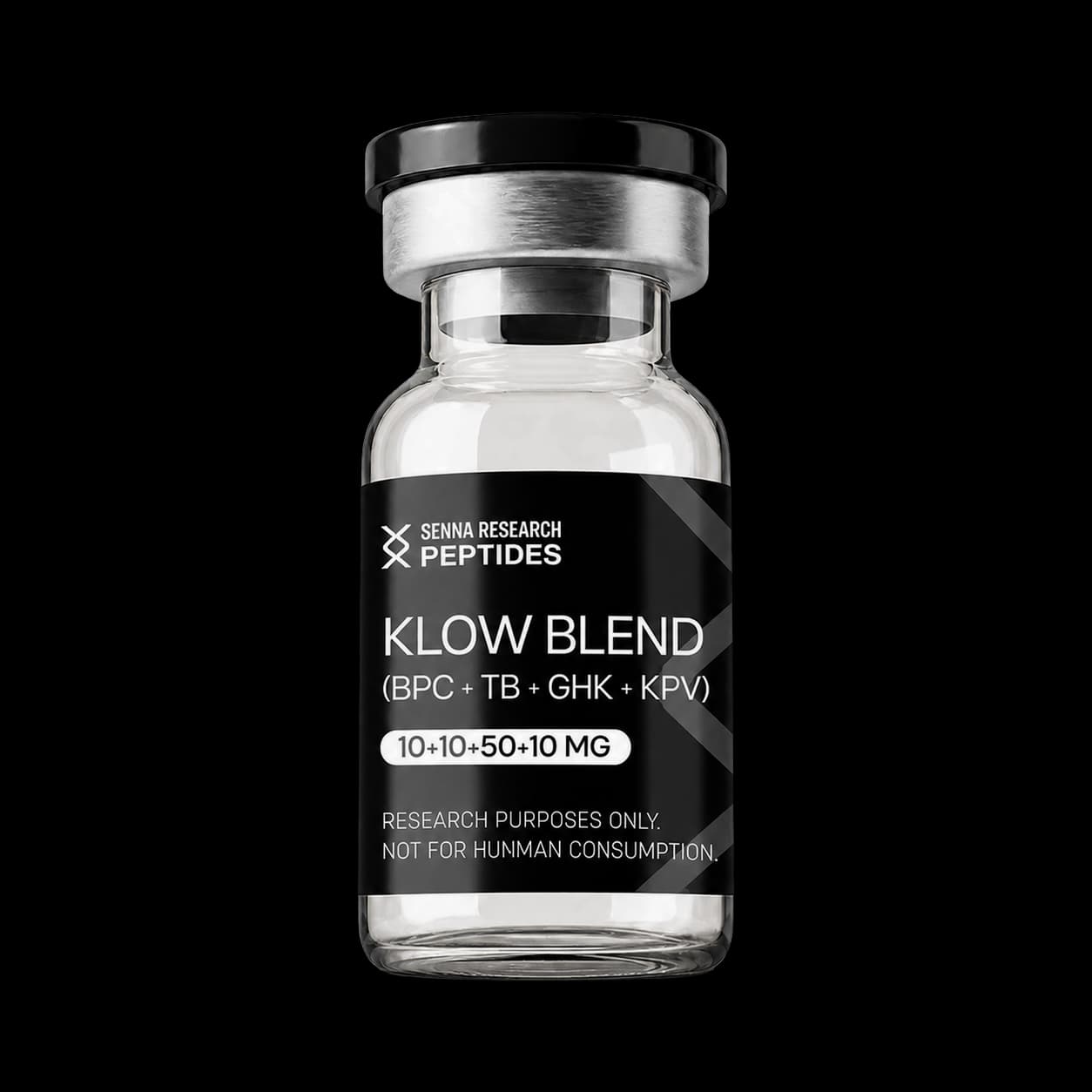
In stock
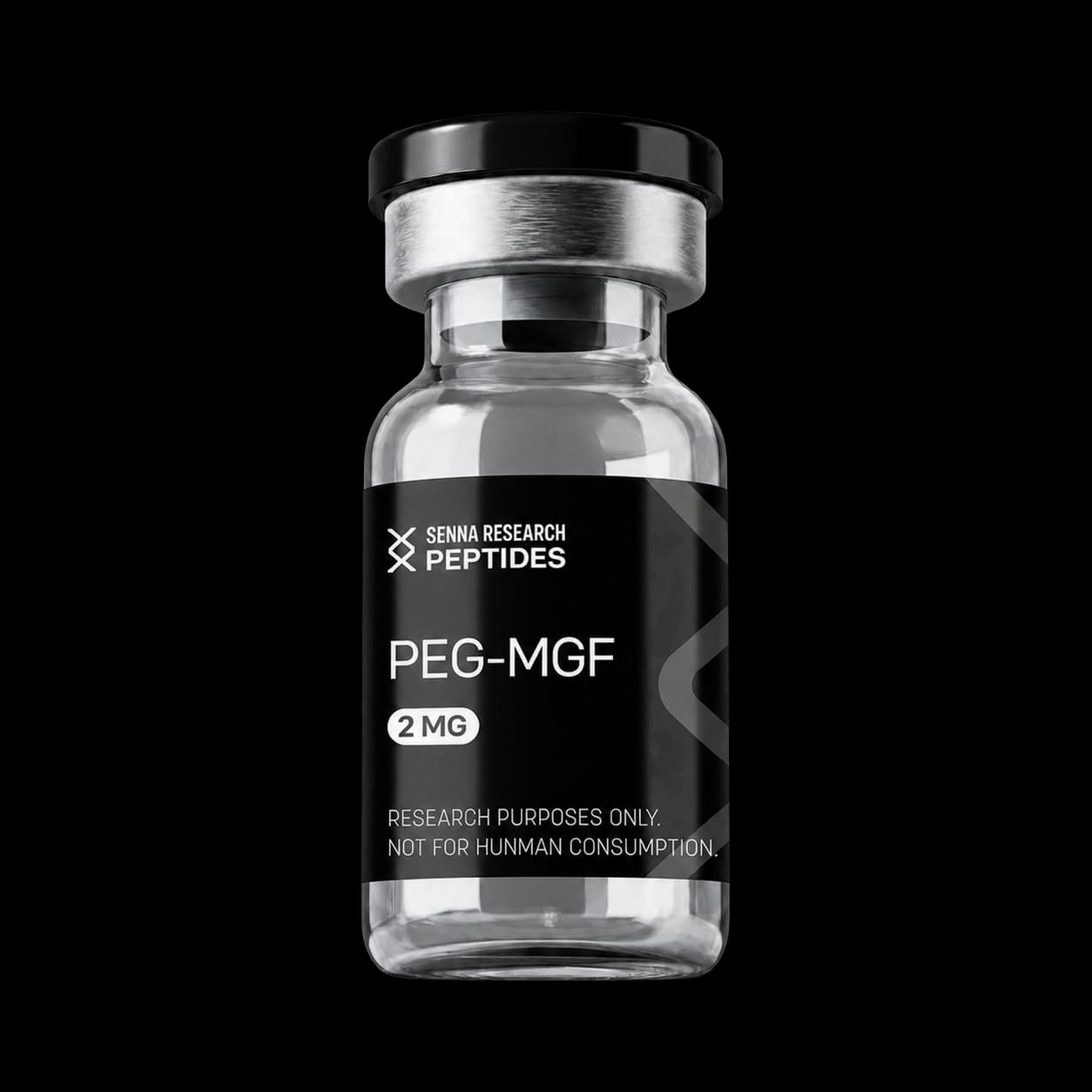
In stock
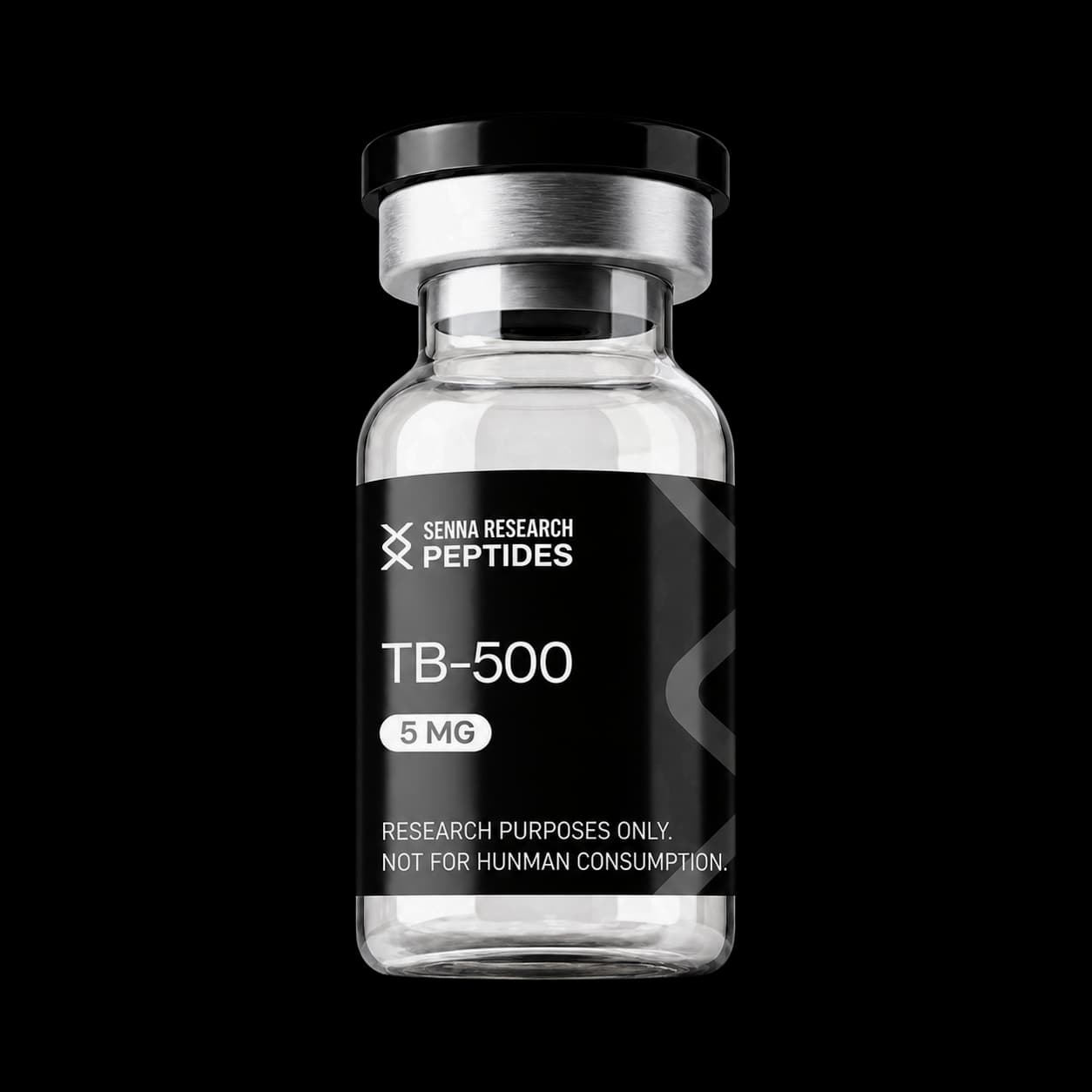
In stock
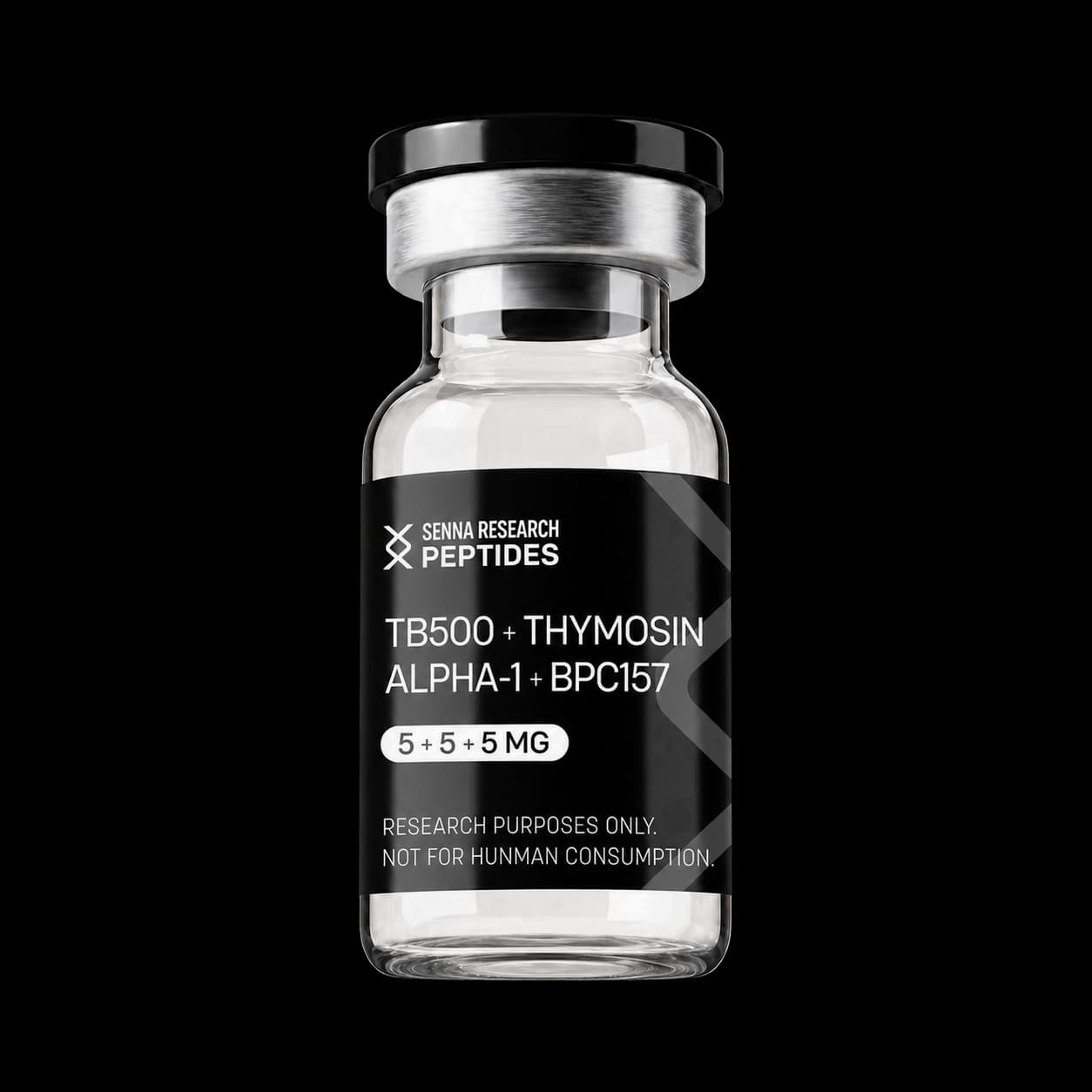
What researchers evaluate in this category
Peptides grouped here are most often used in benchtop models of cell migration, scratch-assay closure, angiogenesis, and matrix remodeling. Because these assays are sensitive to counter-ion content and residual solvent, the salt form and the analytical method matter as much as the stated purity figure.
Compare the reported purity method rather than the number alone. A 99% figure produced by area-percent HPLC at a single wavelength is not equivalent to a figure supported by mass-spectrometric identity confirmation on the same lot.
Handling and storage
Lyophilized material is shipped at ambient temperature and is stable in transit; on receipt, store sealed vials at -20 °C protected from light. Reconstituted solutions should be treated as short-lived and stored according to the label conditions.
Document lot numbers in your notebook at the point of reconstitution. Lot traceability is the only way to link an anomalous result back to material identity.