
In stock
← All categories
Metabolic Research Peptides
This category collects reference standards used in receptor-binding assays, second-messenger readouts, adipocyte and hepatocyte culture models, and analytical method development around metabolic signalling pathways. Work of this kind is usually quantitative: results are reported per nanomole of ligand, so the accuracy of the concentration a laboratory calculates from a vial determines whether curves are comparable between runs, between operators, and between publications.
Lyophilized peptides contain counter-ions and residual water, which means a vial labelled ten milligrams is not ten milligrams of peptide unless net peptide content is stated. Where amino acid analysis has been performed on a lot, that value is published on the certificate alongside the chromatographic purity figure and the observed mass. Multi-arm studies should be planned around a single lot wherever supply allows, and any lot change recorded in the notebook so downstream variance can be attributed to material rather than method. Everything listed here is a laboratory reagent for in vitro and analytical research only.
Materials in this category
In stock
In stock
In stock
In stock

In stock
In stock
In stock
In stock
In stock
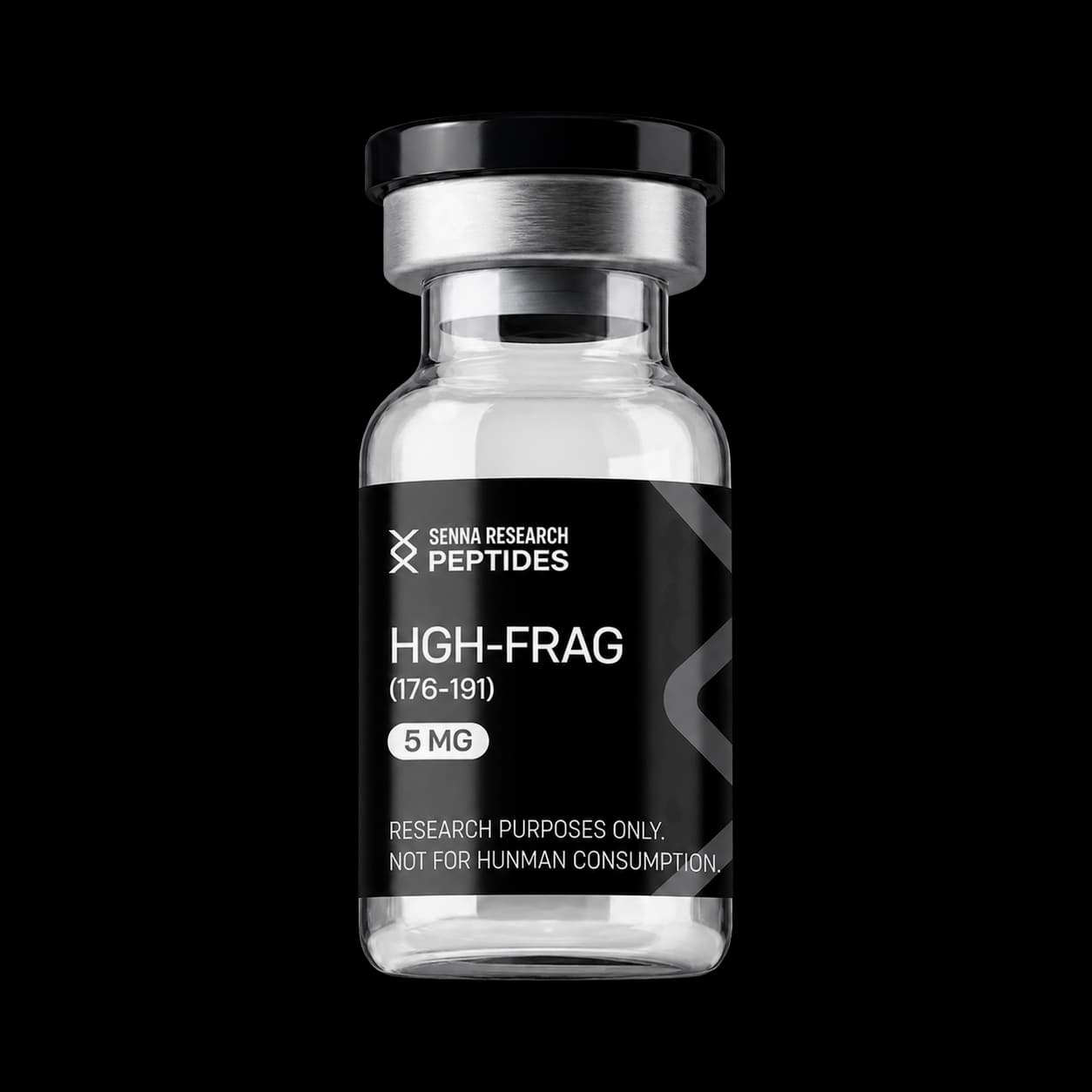
Why net peptide content matters
Lyophilized peptides contain counter-ions and residual water. A vial labeled 10 mg is not 10 mg of peptide unless net peptide content is stated. For quantitative metabolic assays, ask for the net content figure, not just gross fill weight.
Where amino acid analysis has been performed on a lot, that result appears on the certificate alongside the chromatographic purity value.
Comparability across lots
Multi-arm studies should be run from a single lot wherever possible. When a lot change is unavoidable, record both lot numbers and their certificates so downstream variance can be attributed correctly.