
BPC-157 human trials: what the clinical record shows
BPC-157 is often said to have no human trials. The record is more specific: it entered clinical testing under the code PL 14736, and the results were never fully published.
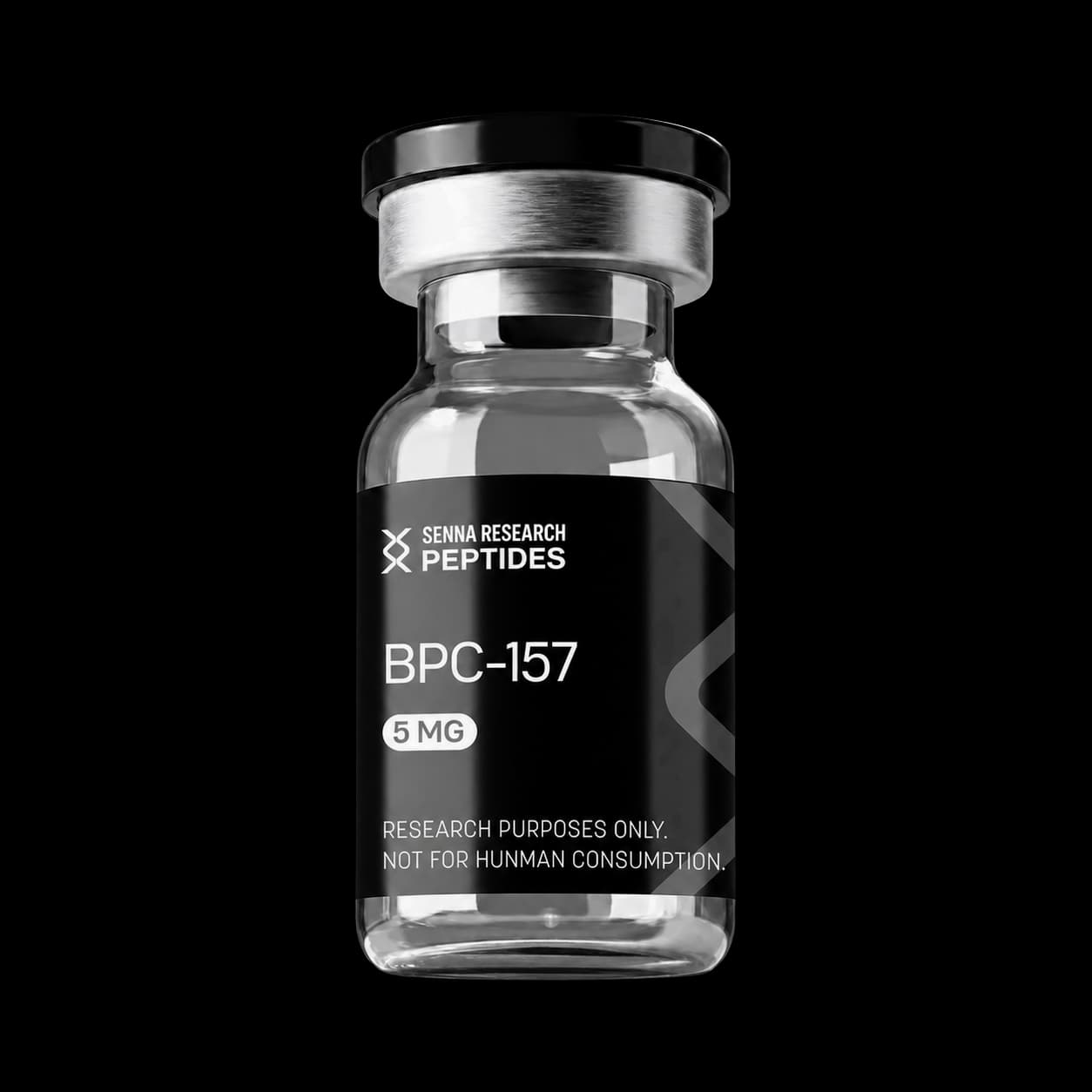
A common line in discussions of BPC-157 is that it has no human trials. That is not quite accurate. Under the development code PL 14736, the compound was taken into clinical testing for ulcerative colitis. After that, the public record goes quiet. The gap between what was started and what was published is the more useful thing to understand.
Where BPC-157 research began
BPC-157 is a 15-amino-acid fragment of a protein found in gastric juice. That origin explains much of the early literature. Most of the preclinical work on the peptide concerns the gastrointestinal tract, not the tendon models with which it is now often associated. The choice of ulcerative colitis for clinical testing fits that history: the program followed the tissue where the research had started.
Known, claimed and missing
Separating three categories keeps the evidence in proportion.
Known
- Decades of rat and cell-culture data across gastrointestinal models.
- Unusual stability in stomach acid, which is a notable property for a peptide.
- Angiogenesis and nitric-oxide signaling as the proposed mechanisms. These are proposals, not settled pathways.
Claimed
Popular accounts make a range of claims about BPC-157 in humans. None of them has been established in humans. Animal and cell data describe what happens in those models and cannot be read as evidence of an outcome in people.
Missing
Complete published clinical results are missing. The PL 14736 program never became an approved drug, and the human dataset that many people assume exists does not. Anyone citing human evidence for BPC-157 should ask which publication they mean, because the answer is usually none.
The more interesting question
Asking what BPC-157 does in people is the wrong place to start, since the available evidence cannot answer it. A better question is why a compound with this much preclinical research stalled at the point where human data would have settled the matter. The post that prompted this article does not claim to know the reason, and the published record does not supply one. A program can end for many reasons, and without documentation any explanation is speculation.
For laboratories, the practical reading is narrow. The preclinical literature is real and extensive, mostly in gastrointestinal models. The mechanistic proposals around angiogenesis and nitric oxide remain proposals. The clinical literature is thin to the point of absence, and any account that fills that gap with confident claims is going beyond the data.