
Peptide research fundamentals: storage, evidence and null results
Notes on the groundwork of peptide research: how material is stored, what the evidence does and does not support, and why unglamorous results deserve attention.
· Roundup of 7 posts
Good peptide research depends on groundwork that rarely gets attention: how material is stored, how stability is documented, and how carefully claims are matched to evidence. These notes collect our short posts and open questions on those fundamentals.
Epithalon and the telomere literature
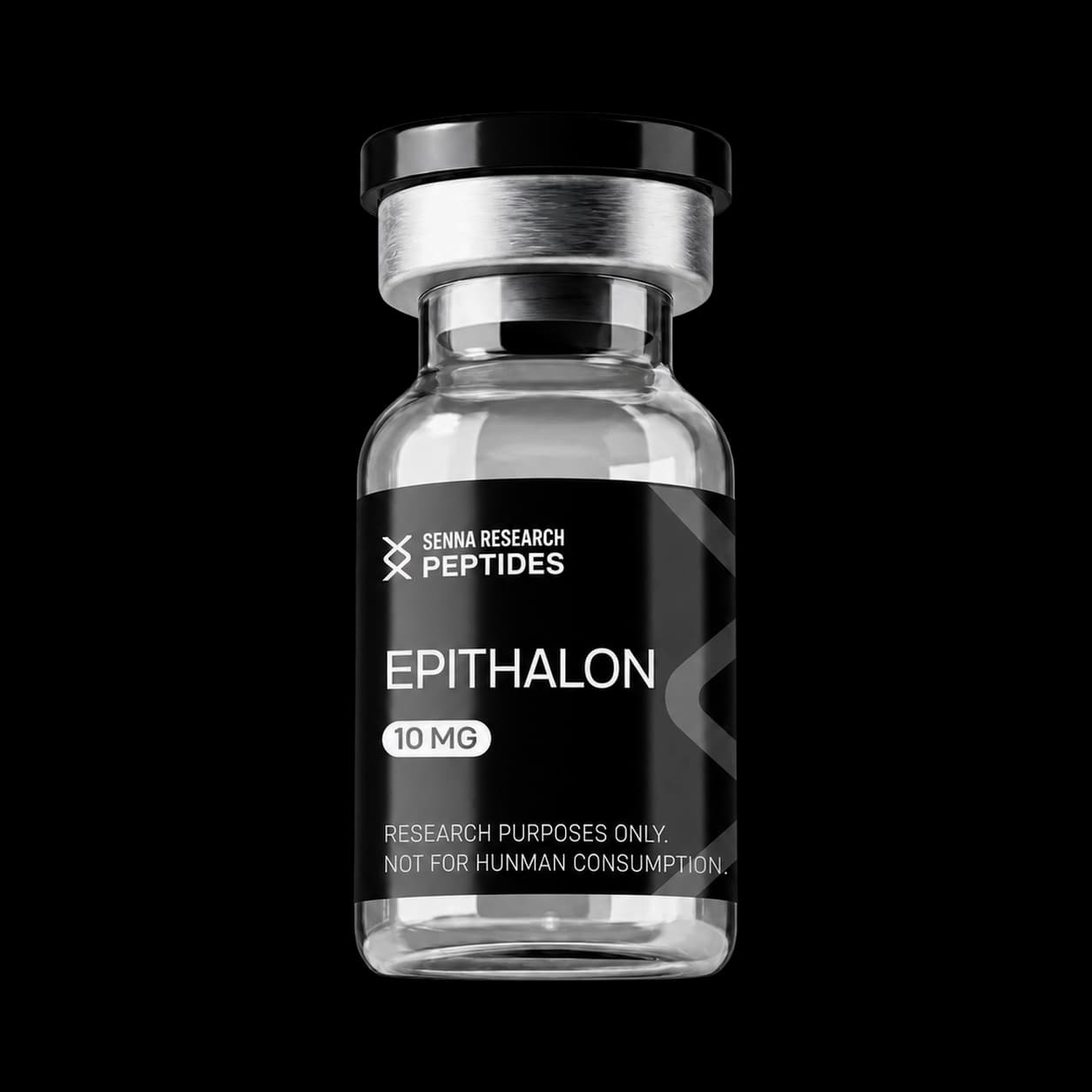
Epithalon is often described in supplement marketing as something that turns back aging. That is not what the telomere research shows. The research on Epithalon is centered on telomere biology, and a telomere measurement is a specific laboratory endpoint, not an aging outcome.
The gap between those two things is where most of the overstatement happens. Reading the telomere research on its own terms means asking what was measured, in which model, and how far that measurement can be stretched.
Open question: lyophilized or reconstituted for long study windows
We asked researchers which form they trust more when a study runs over a long window: material kept lyophilized until it is needed, or material reconstituted ahead of time and stored in solution.
Lyophilized peptide is generally regarded as the more stable form, since many degradation pathways need water. The practical question is how a study design balances that stability against the convenience of preparing solutions in advance.
Stability data should be public
Lyophilization standards, storage conditions and shelf-life are the basic facts a researcher needs to plan around a reference material. Our position is that this stability data should be published, not held back.
Senna Research publishes its own stability information and takes questions on it, researcher to researcher.
Open question: underrated longevity mechanisms
We asked longevity researchers which peptide mechanism they think is understudied, with the aim of building a reading list for the third quarter from the answers.
The question is a useful counterweight to the handful of compounds that dominate discussion. Mechanisms that receive little attention often have thin literatures simply because few groups have looked.
Null results deserve the same volume as wins
Our view is that the peptide research community would move faster if null results were shared as widely as positive ones. A compound that underperforms a hypothesis is still data.
When only positive findings circulate, the visible literature skews toward effects that may not replicate. We asked researchers which compound fell short of their hypothesis, because those answers rarely get published.
Most of a quarter's literature is noise
We read the major peptide studies published in a single quarter. Most of it was noise, and only a few findings changed the picture in a meaningful way.
That ratio is normal for any active field. It is a reminder to weigh a new study by its model system, its design and whether it adds to prior work, rather than by how widely it is shared.
Online combinations are not study designs
Many of the multi-compound combinations cited online are not real research designs. They are guesses presented with the vocabulary of a laboratory.
A genuine study design states its controls, its model system and the endpoint it measures. We asked researchers to share the weakest designs they have seen circulating, because recognizing what is missing is part of reading the literature well.